
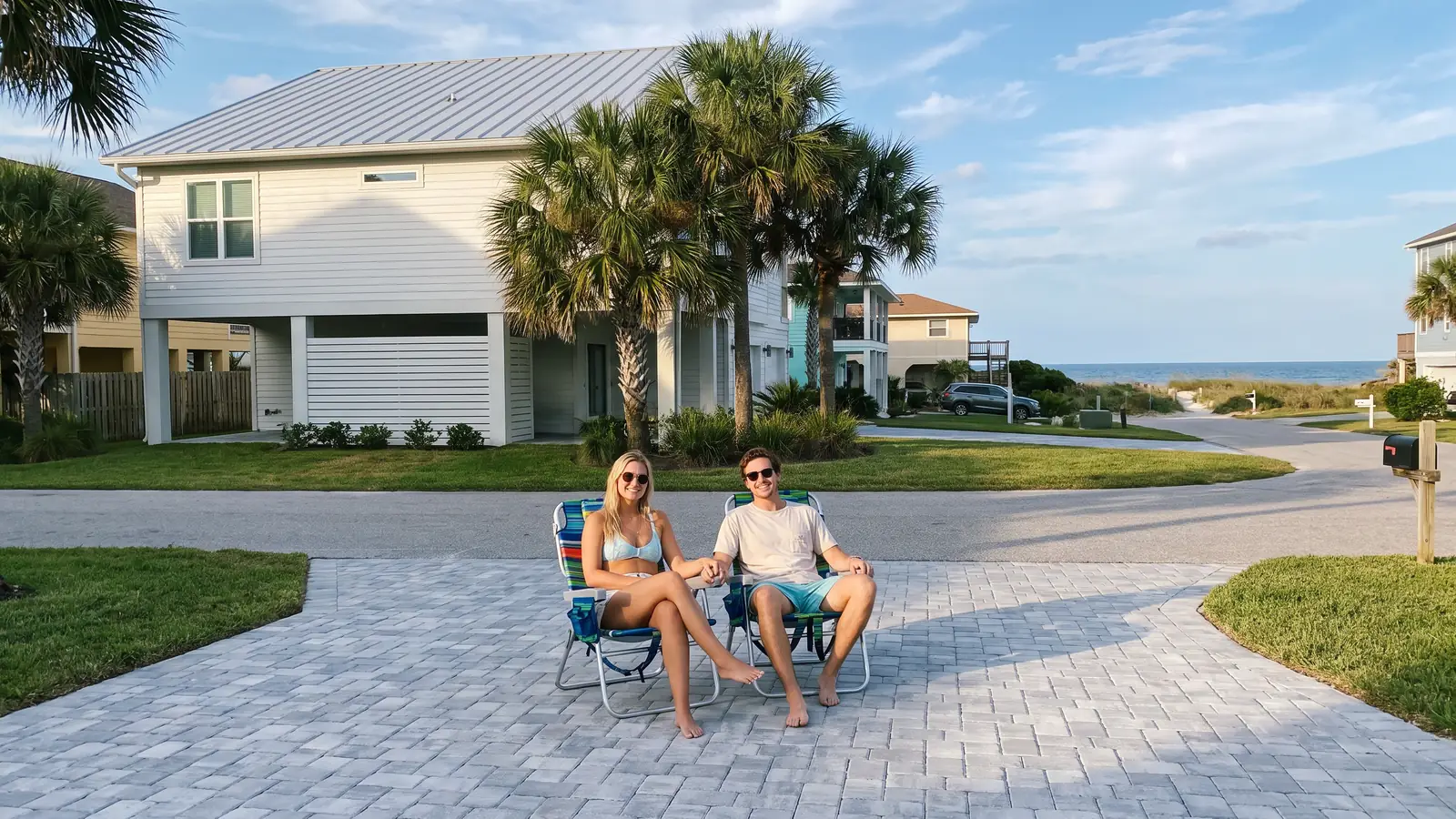
Paver sealing for San Marco homes
Paver Sealing in San Marco, FL
Pavers beside San Marco's older homes deserve a gentle wash and the right coat; call (904) 541-9975 for a free estimate.
- Brings out deeper paver color
- Fresh joint sand helps lock pavers in place
- Gives weeds less room to grow
- Makes the surface easier to keep clean
- Free estimate, no obligation
Request a Free Estimate
Free, no obligation.
Fast, careful paver sealing in San Marco
Homeowners in San Marco can book paver sealing for the blocks around San Marco Square and the streets near Fletcher Park. Driveways, courtyards and pool decks are all washed, re-sanded and sealed by a local contractor, and the estimate is free. Call (904) 541-9975 and look for a reply inside 1 business day, usually much sooner.
Think of a courtyard where the joints have gone dark and the color has faded to flat tan. After a wash, new sand and a coat of sealer, it reads as one warm, even surface. If you want to start with photos, book a free estimate and describe what you see.
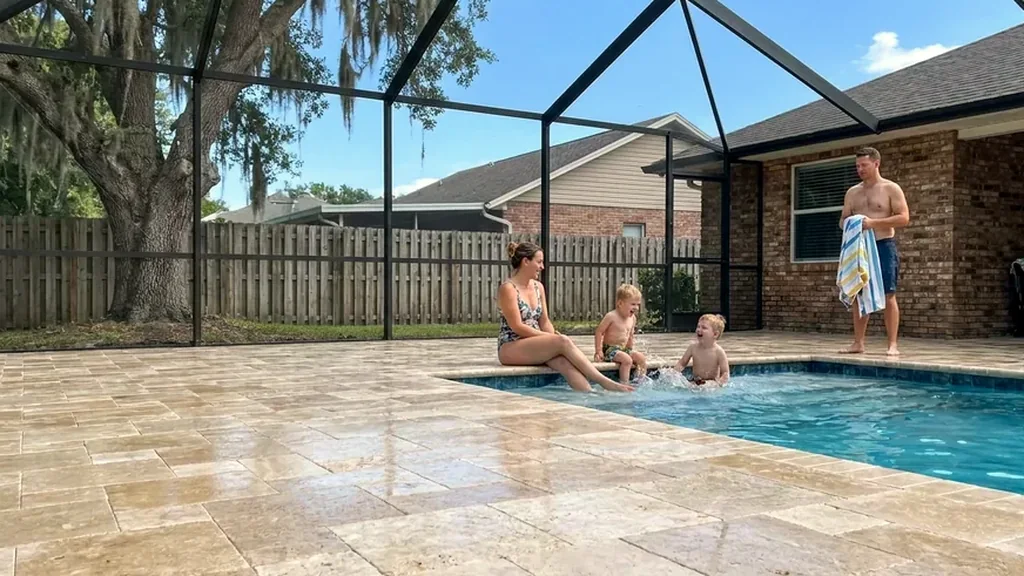
Why hire a local paver sealing contractor in San Marco?
San Marco homeowners hire a local paver contractor because old brick, big shade trees and low streets do not behave like a new subdivision. To hear how that fits your block, book a free estimate.
Free estimate first
A contractor walks your San Marco pavers at no charge, and you see a written price before agreeing to anything.
A range to hold quotes against
Northeast Florida companies list $1.75 to $3.25 per square foot for a full clean, sand and seal.
A finish that suits an older home
Matte sits quietly beside brick and stucco. Wet look adds depth to the color, but scuffs show up sooner.
You decide
The date, the finish and the final yes are all yours. An estimate in San Marco carries no obligation.
Get Your Free Estimate in San Marco
Tell us about your pavers in San Marco.
Free, no obligation
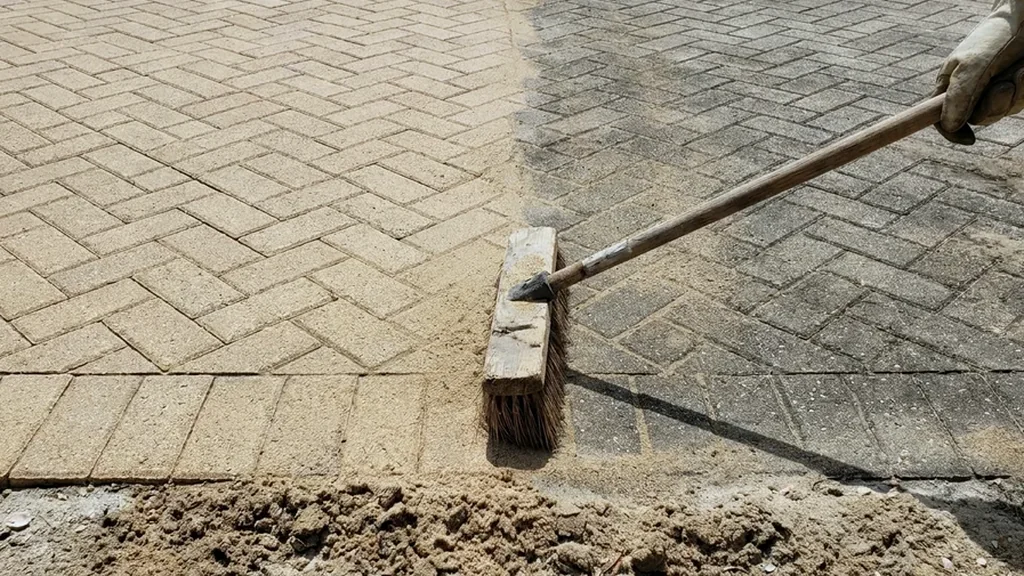
What paver problems show up most in San Marco?
White haze around pool decks
PaverGuard says pool decks in San Marco and Riverside pick up chlorinated splash-out that dries white on the surface. Pools with salt or chlorine systems often wear a coat down in 18 to 24 months, by that company's count. Sealer put over residue can trap it. Rinsing and cleaning come first, so the finish bonds to bare stone. A white haze is a sign of buildup, not of damage, so the fix is a thorough rinse and clean before anything else. Ask the contractor how the deck will feel underfoot when wet. A hose rinse after a pool party keeps splash from drying into a crust. Mention your pool chemicals when you call, since the contractor plans the wash around them.
Water left on low streets
News4JAX says San Marco has dealt with flooding for generations, and the city finished a new LaSalle Street pump station in October 2026. The same day, reporters still saw water in the neighborhood. Standing water can leave silt and loosen joint sand. A pump station does not remove either, which means low driveways may still need a wash and fresh sand. Ask the contractor to look at the low end of the drive, where silt tends to settle. A coat applied over silt would lock the dirt in. The St. Johns near downtown is an estuary that tides and storms push on, according to the water district. That is a reason to ask the contractor to check the low corners of a lot.
Brick, stone and newer pavers side by side
San Marco was planned in an Italian Renaissance style, yet its homes ended up a mix of styles from the late 1920s on. A courtyard may hold old brick beside newer concrete pavers. Each takes a sealer a little differently. The contractor should test a small patch before committing to a product. Moving to a product that suits the older stone matters more than the brand name on the can. Take a photo of any patch that looks different, since it may be a repair from an earlier job. A Mediterranean Revival storefront on the Square and a 1919 cottage in Fletcher Park call for quite different surfaces out front. The contractor reads the house as well as the stone.
Shade that keeps stone damp
Belmonte Park is ringed by scenic oaks, and mature trees line many San Marco blocks. Leaves, tannin and shade keep a walk damp, and damp stone grows green film first. Cleaning has to go deeper in those spots. Sealer on a surface that is not clean and dry will not hold. Spots under oak limbs often need a second pass. A contractor will usually start the wash in those shaded areas. Mature oaks around Belmonte Park and along older streets keep a lot of stone in shade. Lighter pavers show the leaf stains most.
A coat from an earlier owner
Homes here were built across a century, from the 1920s plats to World War I cottages in Fletcher Park. Over that time a walk may have been sealed, patched and sealed again. Water-based sealer cannot be laid over a solvent-based coat. The contractor has to work out what is on the surface before choosing what goes on. Ask neighbors or the previous owner if anyone remembers the product, since that saves time. If nobody does, a short test shows the answer. The first San Marco buildings went up in 1926 and Fletcher Park's cottages in 1919, so some stone has had many owners. Photos of any odd patch help the contractor read its history.
Is paver sealing available around San Marco Square and Fletcher Park?
Yes, a free estimate covers homes from San Marco Square to Fletcher Park and the blocks between. The square is a triangle where Atlantic Boulevard, Hendricks Avenue and San Marco Boulevard meet, and the lion fountain sits at its center. Fletcher Park runs along Atlantic Boulevard between Hendricks Avenue and Kings Avenue. Tell the contractor which side you are on when you book a free estimate.
Fletcher Park began in 1919 as 158 houses for shipyard workers, and most of that housing is still there. Small cottage lots mean short walks and narrow side paths, so gear may be carried in by hand. Larger homes near Marco Lake and the river bring bigger driveways and pool decks. Call (904) 541-9975 and describe your lot.
Jacksonville requires a Certificate of Appropriateness for exterior work, including driveways, inside a local historic district or on a landmark. The city's Land Development Map shows whether an address carries that status. The city page does not name sealing, so a quick question to city staff before work is sensible. Check the map, then book a free estimate once you know what applies to your property.
What does paver sealing cost in San Marco?
Across Northeast Florida the published price runs $1.75 to $3.25 per square foot to clean, sand and seal. Pool-deck residue, shaded green film and a failed old coat push a San Marco job up inside that range. A tight courtyard can cost more per square foot than an open driveway. For a figure for your stone, book a free estimate.
Old brick and mixed surfaces call for a test patch, and that adds a little time. Low driveways that took street water may need extra washing and sand. Larger layouts add up even at a steady rate. Call (904) 541-9975 and the contractor can say which of these will apply.
| Paved area | Typical example | Clean, sand and seal |
|---|---|---|
| 300 sq ft | Small patio or walkway | $525 to $975 |
| 600 sq ft | Two car driveway | $1,050 to $1,950 |
| 1,000 sq ft | Large driveway or pool deck | $1,750 to $3,250 |
| 1,500 sq ft | Driveway plus pool deck | $2,625 to $4,875 |
Math based on the $1.75 to $3.25 per square foot that Northeast Florida paver companies published as of November 2026. Your contractor sets the actual price after seeing the surface. Repairs, leveling and stripping failed sealer are usually extra.
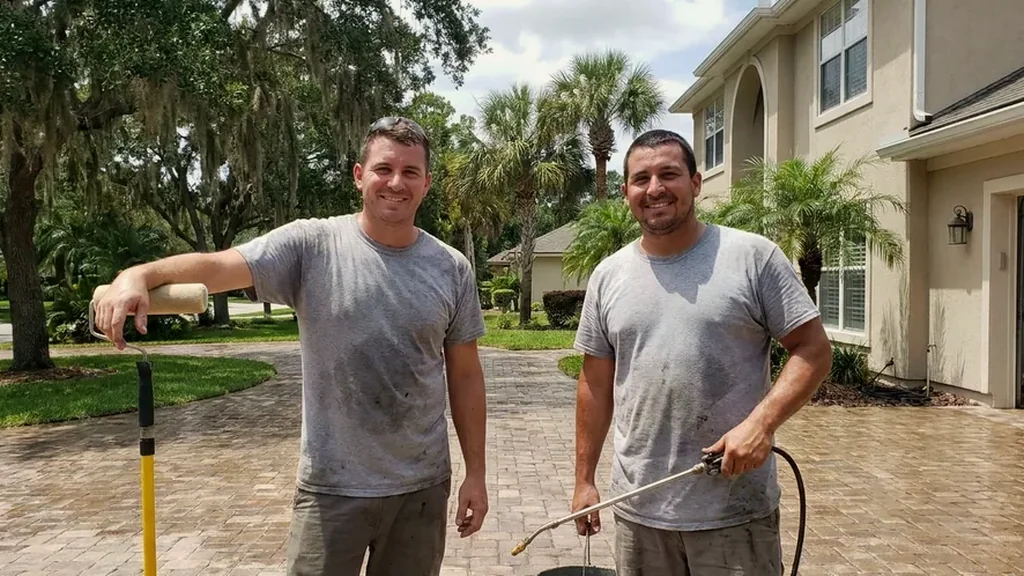
How does a paver sealing job work in San Marco?
Walk the surfaces and test a patch
A contractor starts with the drive, the courtyard, the walks and any pool deck. Low and sunken spots are marked for resetting, since sealer keeps whatever is under it. On old brick or mixed pavers a small test patch shows how the stone takes a product. A coat from an earlier owner decides what can go on, because water-based sealer cannot cover solvent-based sealer. If your house sits in an old district, mention it now so the plan includes a check with the city.
Wash off residue, silt and green film
Cleaning clears leaf tannin, green film and any silt that street water left behind. Pool decks get extra time for the white residue that chlorinated splash dries into. Rinse water stays off old stucco and wood trim where the stone meets the house. The goal is plain, even stone before the next step. Old brick gets a gentler wash than hard concrete, since brick can chip.
Refill the joints
Washing empties the joints, so fresh sand goes back first. Narrow joints in tight San Marco courtyards lose sand quickly after a hard storm. The sand is swept in and the surface cleared. Full joints keep the pavers snug and stop soil from settling between them. A tight courtyard may be done in sections so you can still reach the door.
Let the stone dry
Sealer needs dry stone. Jacksonville gets about 52 inches of rain a year, mostly May to September, and a shaded courtyard can stay damp long after a sunny drive has dried. A wet look coat can cloud if it goes over damp pavers. A careful contractor waits for a clear window. If a storm is near, the contractor may hold the job a day and call you.
Seal in the finish you chose
Spray goes on first, then a roller works the sealer into the joints. Matte keeps an older home looking quiet, while wet look deepens color but shows scuffs sooner. Most companies quote somewhere between two and five years until the next coat. Expect a few hours before walking and about a day before parking. Ask to see a small sample if you are torn between matte and wet look.
Complete paver services in San Marco
A San Marco job follows a set order: test, wash, refill the joints, let the stone dry, then seal. Washing removes the old sand, so new sand goes in before the coat. Sealer goes on last so nothing dirty is locked under it. To ask how the stages would run on your lot, call (904) 541-9975.
Courtyards, driveways and pool decks each wear differently here. A courtyard under oaks stays damp, a drive takes tires and street water, and a pool deck gets splash and sun. Name your surfaces when you book a free estimate, and the quote can price each one on its own.
Choosing a sealer begins with what is already on the stone. A water-based product cannot go over a solvent-based one, and old brick may call for a gentler product than concrete pavers. Matte suits older fronts, while wet look adds depth and shows scuffs sooner. Call (904) 541-9975 to talk through the options.
Storm season can move a date. Sealer needs dry stone, and low San Marco streets can hold water long after rain stops. A contractor will watch the forecast and wait for a clear stretch. For a date that fits your block, book a free estimate.
Questions to ask before you hire
- Sand blows in off the beach all year, so how do you keep it out of the fresh joints?
- Where does the dirty rinse water go while you clean?
- Do you need water from my outside spigot, and do I have to be home?
- Will hot tires leave marks on the sealer when I park on a summer afternoon?
- Do you pull the weeds and grass out of the joints, or only spray them?
- Will the sealer make my pool deck slick when it gets wet, and can you mix in grit?
- Is the price on your quote fixed, or can it change once you start?
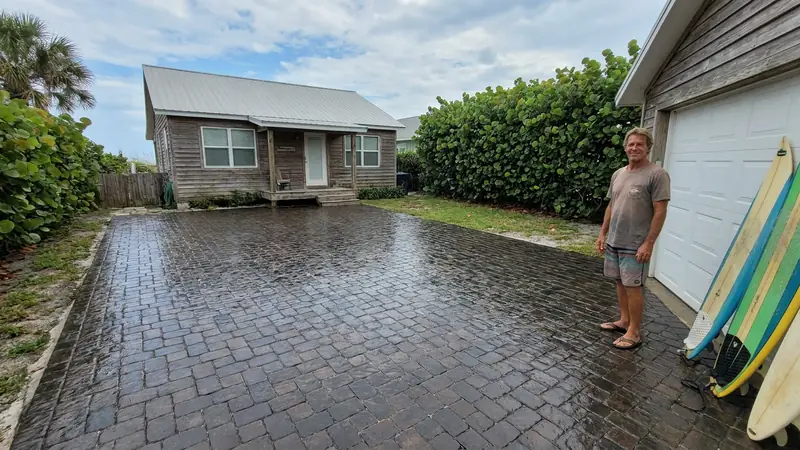
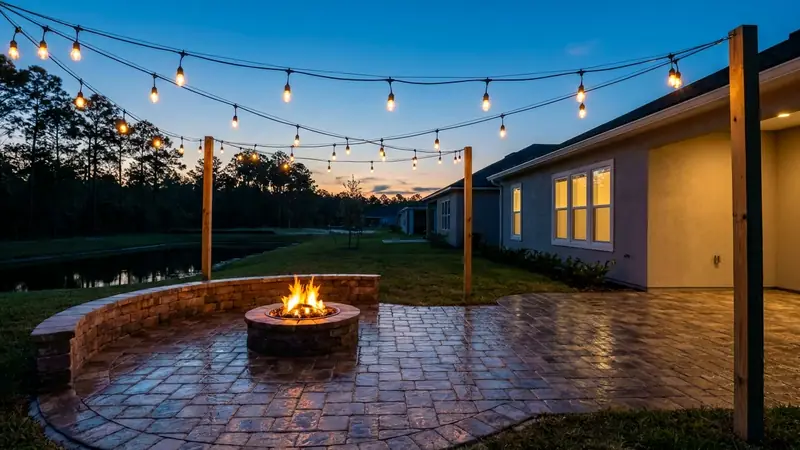
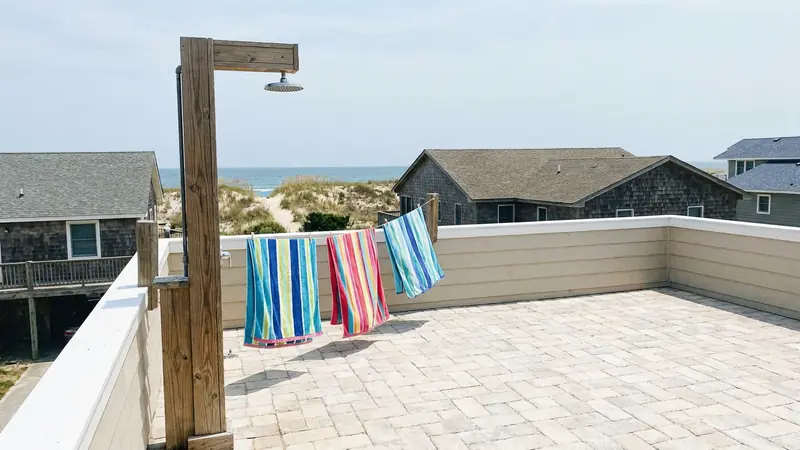
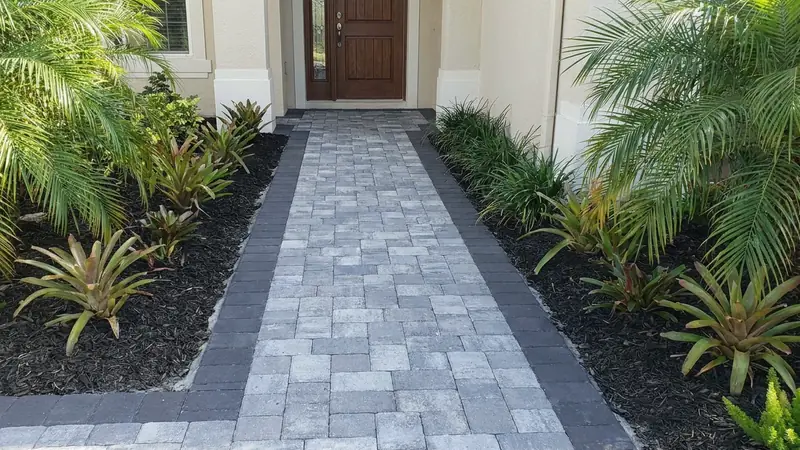
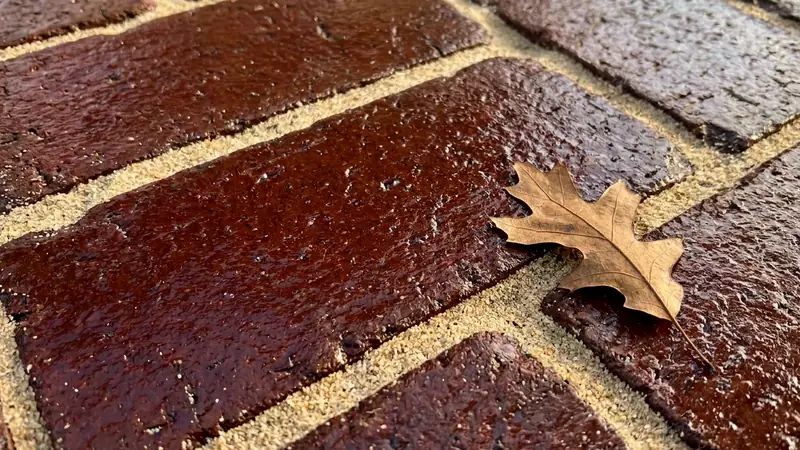
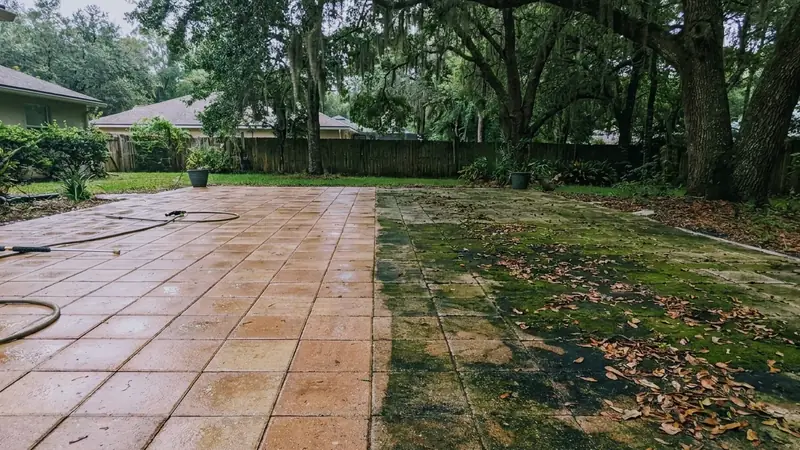
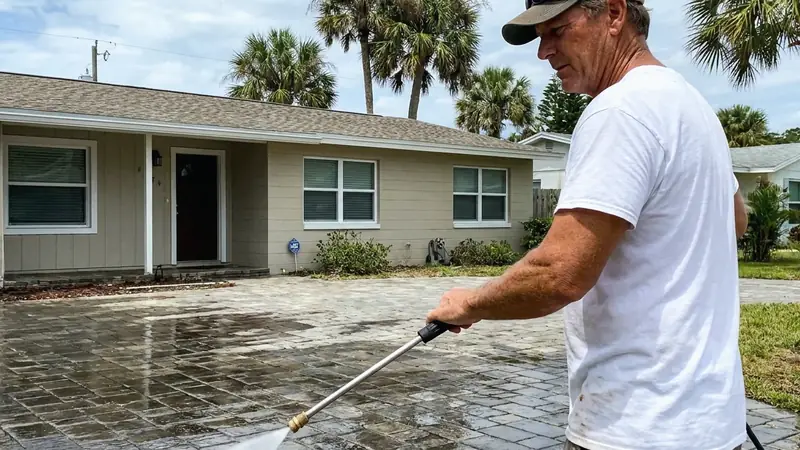
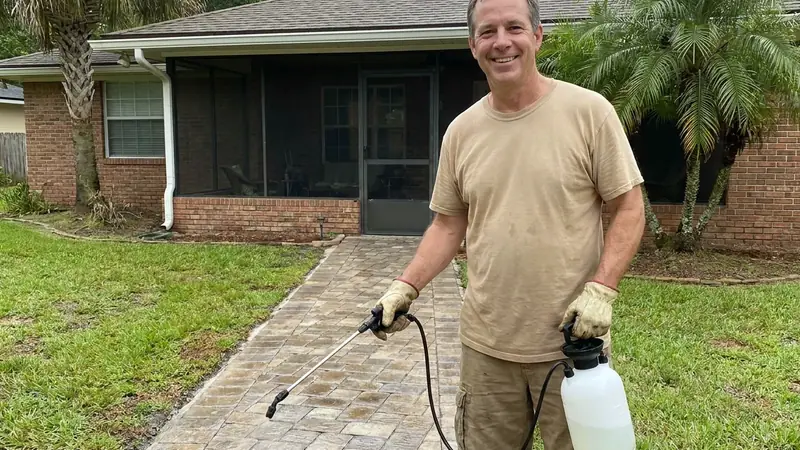
What do sealed pavers look like around San Marco?
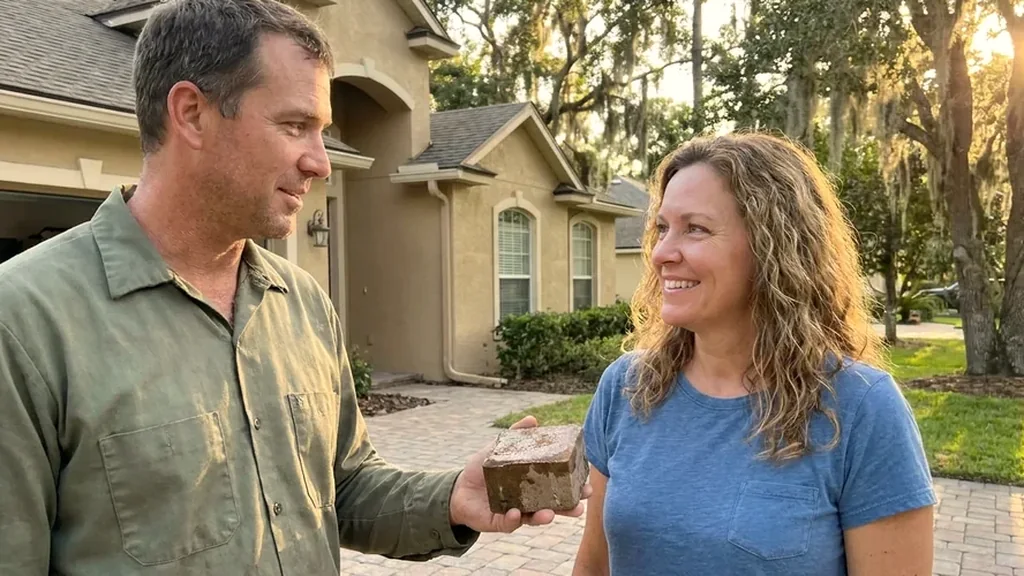
Why local matters in San Marco
A contractor who knows San Marco will ask whether your street holds water after a storm. The LaSalle Street basin has flooded for years, and a new pump station does not change the silt that earlier water left. Someone from out of town may never ask. To reach a local contractor, call (904) 541-9975.
Local knowledge also covers the stone itself. San Marco has brick walks, mixed pavers and homes from several eras on one block. A contractor used to that tests first and picks a product to match. You can book a free estimate and mention how old your walk is.
Timing in this area follows the river and the sky. The St. Johns near downtown is an estuary, and tides and storms push on it hard. After a big blow, low yards stay wet longer than the forecast suggests. When you book a free estimate, ask how the contractor plans around that, and remember you owe nothing.
How did a brickyard become San Marco?
A brickyard became San Marco in 1925, when Gamble and Stockton moved their works and sold the land as a new neighborhood. Telfair Stockton cut a canal from the old clay pit to the St. Johns River and turned it into Marco Lake. San Marco Boulevard tied the development to the Acosta Bridge, which opened in 1921. If you live near the lake, book a free estimate.
Before that the area was South Jacksonville, a town that incorporated in 1907 and joined Jacksonville in 1932. San Marco Square took its shape from Venice, and Fourteen city parks sit inside the neighborhood, including Belmonte Park, Southside Park and Fletcher Park. Near any of those parks, call (904) 541-9975 and say which street is yours.
Frequently Asked Questions
How much does it cost to clean and seal pavers in San Marco?
Expect $1.75 to $3.25 per square foot to clean, sand and seal, which is the range Northeast Florida companies commonly publish. Pool-deck residue, shaded green film and an old coat can all move a San Marco job within it. A written breakdown by surface keeps the comparison honest. Small courtyards can cost more per square foot than an open drive.
Why is paver sealing so expensive in San Marco?
The work is mostly prep: washing, new joint sand and a wait for dry stone. A Jacksonville pricing guide says a bargain quote usually signals skipped steps. Ask each company what its price covers before you weigh the totals. That guide says rushed, low-priced work can fail within a year.
How long does paver sealing last in San Marco?
Most companies quote somewhere between two and five years until the next coat. PaverGuard says chlorine or salt pool decks often land at 18 to 24 months, and shaded walks tend to hold longer. For a quick check, sprinkle water on the stone. Water that beads on the stone means the coat is still doing its job. A pool deck near salt or chlorine is the first place to check.
What is the right water-based paver sealer for San Marco brick?
The existing coat decides first, because water-based sealer cannot go over solvent-based sealer. Brick and concrete pavers also take a product differently. A small test patch settles it before the whole job. Hold on to the product name so the next coat can match. Ask for the sealer's name and finish on the invoice.
Do I need city approval to seal pavers in San Marco?
It depends on the address. Jacksonville requires a Certificate of Appropriateness for exterior work, driveways included, in a local historic district or on a landmark. The city page does not name sealing, so ask city staff, and check the Land Development Map for your street. Historic status shows as a layer on the Land Development Map.
Will the new LaSalle Street pump station keep my pavers dry?
Only in part. The city built the project to cut flooding in a 50 year, 24 hour storm and to clear water faster, and a project director said it would not end all flooding. Low driveways can still collect silt, so they get washed and re-sanded before any coat. Pavers near low corners are the ones to inspect after a storm.
Can a contractor seal my San Marco pool deck?
Yes, with extra prep. Chlorinated splash can dry into a white residue that has to come off first. Pick a finish that suits the space, and ask how it feels underfoot when wet. Matte is common beside pools. A salt or chlorine pool is worth mentioning when you call.
How soon can I park on a sealed San Marco driveway?
Plan on a few hours before walking and about a day before cars, though the sealer and weather set the real time. One Jacksonville company gives those numbers. Use the street or garage overnight to keep tire marks off. Fletcher Park and the Square both count as covered.
Ready for a Free Estimate in San Marco?
Call (904) 541-9975 and tell us about your pavers.
Free, no obligation