
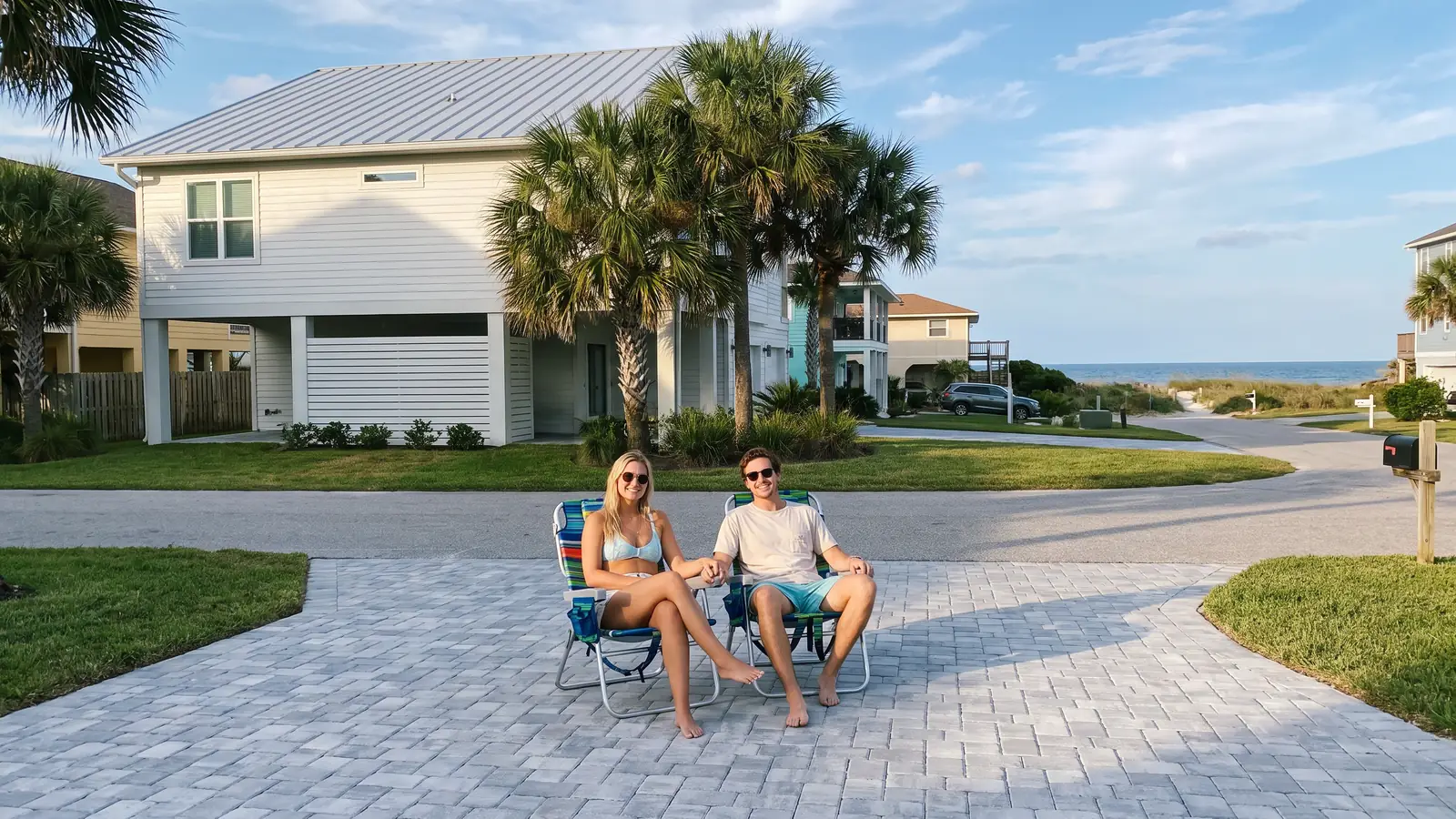
Paver sealing for Highlands homes
Paver Sealing in Highlands, FL
Faded pavers near Ray Greene Park in Highlands can be cleaned and sealed, so call (904) 541-9975 for a free estimate.
- Brings out deeper paver color
- Fresh joint sand helps lock pavers in place
- Gives weeds less room to grow
- Makes the surface easier to keep clean
- Free estimate, no obligation
Request a Free Estimate
Free, no obligation.
Fast, careful paver sealing in Highlands
Highlands homeowners can get paver sealing from a local contractor, on streets near Ray Greene Park and along Dunn Avenue. The contractor washes, re-sands and seals driveways, front walks and pool decks, and there is no charge for the estimate. Someone comes out and looks at your pavers before any price is given. Ring (904) 541-9975 and expect a reply within 1 business day, usually much sooner.
Think about the driveway you pull into every night after work. Years of tires, sprinklers and summer storms have faded the color, thinned the joint sand and let a little green creep in along the edges. A wash, new sand and a fresh coat make a Highlands driveway look cared for again. If you would like a price first, you can book a free estimate.
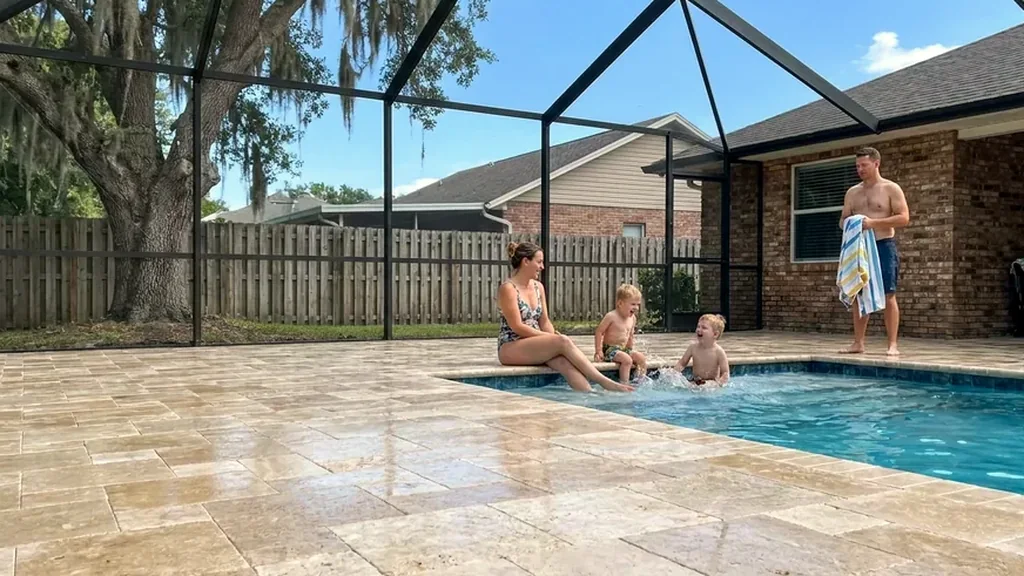
Why hire a local paver sealing contractor in Highlands?
Highlands homeowners hire a local paver contractor because older homes, heavy rain and daily driveway use each shape the work. To see how that fits your street, book a free estimate.
Free estimate
Someone looks at your Highlands pavers and quotes a price at no charge, with no obligation to hire anyone.
Know the going rate
Companies here commonly publish $1.75 to $3.25 per square foot to clean, sand and seal, so you can check any bid.
Pick your finish
Matte keeps a quiet look. A wet look adds shine but shows scuffs sooner, which matters on a driveway that sees tires every single day.
Your schedule
You choose the day, and the contractor works around the weather. Sealer needs a dry surface, so a short delay is normal.
Get Your Free Estimate in Highlands
Tell us about your pavers in Highlands.
Free, no obligation
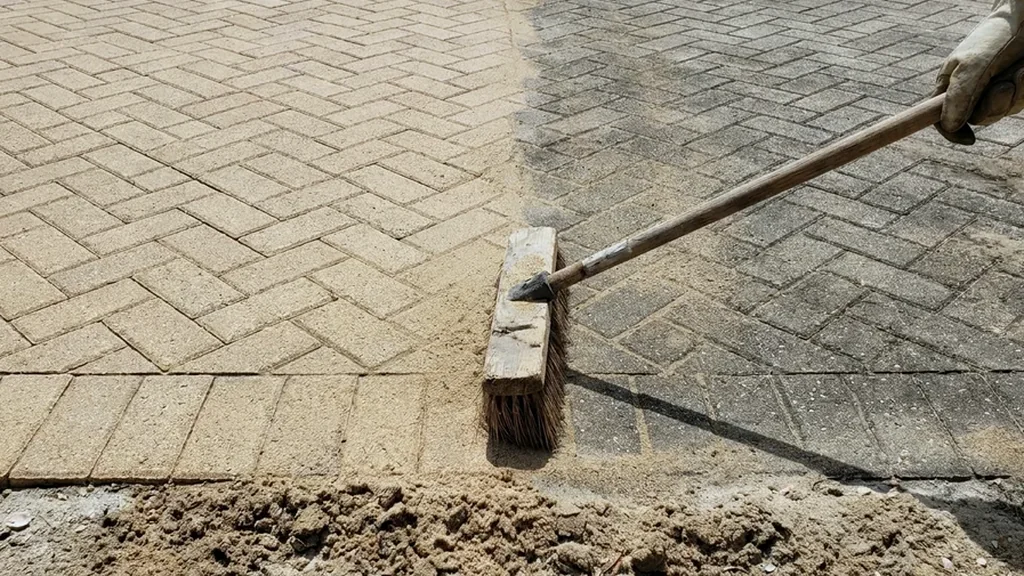
What paver problems show up most in Highlands?
Sand lost to summer downpours
Jacksonville averages about 52 inches of rain a year, with brief, intense downpours from May to September. The builder adds that sand leaves unsealed joints during those downpours. Weeds and ant hills find open joints quickly, and pavers can shift when the sand beneath and between them is gone. Fresh sand goes back in on every sealing job, and the sealer then helps hold it there between coats. If you see sand in the gutter after a storm, mention it at the first visit.
Daily weight on the driveway
A Jacksonville paver company says a driveway carries a few tons every time a car pulls in. That weight and turning tires loosen joint sand over time. A real estate guide lists Highlands homes built between 1953 and 1970, so a paver driveway may have been added later by someone you never met. Low spots near the garage are the first thing to check, since a dip holds water and speeds up wear. The contractor can reset those sections before any sealer goes down.
Orange streaks from iron-rich water
Extension specialists at the University of Florida note that most Florida well water carries a lot of iron, which stains wherever sprinklers hit. If your Highlands yard waters from a well, look for rust-colored lines where the spray lands. Sealer would trap those marks, so they get treated first, before the wash and long before the coat. Aiming spray heads off the pavers helps head off new marks. It also protects a fresh coat of sealer during its first days.
Mildew in damp, shaded strips
A landscape trade group says moss and algae should not grow on pavers unless shade is heavy. A Jacksonville paver company lists dark mildew in shaded strips among the signs a driveway needs attention. Along a garage wall or under a tree, the surface stays damp longer. Washing removes the growth, and sealing helps the surface stay cleaner afterward. Keep an eye on the strip nearest the house, which often stays shaded the longest.
Color that fades in the sun
A Jacksonville paver builder says the sun fades unsealed concrete pavers noticeably within three to five years. Flat or chalky color is the usual sign. Sealer acts like sunscreen for the pigment, in that builder's phrase, and a wet look deepens the tone. If your pavers have gone pale, a fresh coat can bring the color back. Choose a wet look for more depth or matte for a softer tone.
Does paver sealing differ across the streets of Highlands?
The steps stay the same from street to street, but the setting changes the details. Highlands is a Northside neighborhood, and its ZIP code, 32218, has 67,040 residents and 25,154 households in the 2020 count. A real estate guide lists Highlands homes built between 1953 and 1970, with a majority living as owners. Tell the contractor when your home was built when you book a free estimate.
Ray Greene Park on Leonid Road opened in 1957 and gained 30 acres in 1976 and 1977. It is named for a county commissioner who served from 1934 to 1962. A 2004 renovation added soccer fields, basketball courts and parking for 257 cars, and the park is a handy landmark, so call (904) 541-9975 and say how close you are.
Highlands Regional Library sits at 1826 Dunn Avenue, and Dunn Avenue is also State Road 104. Both make easy reference points for a contractor who has not seen your street yet. The Jacksonville Zoo and Gardens, in the same ZIP code, is a third. If you live within a few blocks of either, book a free estimate and tell the contractor which one you mean.
What does paver sealing cost in Highlands?
The region's published range is $1.75 to $3.25 per square foot to clean, sand and seal. A Highlands driveway usually lands somewhere inside it, with sand loss, old sealer and mildew deciding where, and most of that shows at a first look. Add a walkway, pool deck or patio and the square footage grows, so the total does too. For a number that fits your pavers, book a free estimate, and the estimate is free.
Two things can nudge the figure. Old sealer that has to be identified takes more time, and so do deep stains from rust or oil, which may lighten without fully disappearing. A plain driveway with open access goes faster than a screened back patio where gear has to be carried by hand. Call (904) 541-9975 and the contractor can say which of these apply.
| Paved area | Typical example | Clean, sand and seal |
|---|---|---|
| 300 sq ft | Small patio or walkway | $525 to $975 |
| 600 sq ft | Two car driveway | $1,050 to $1,950 |
| 1,000 sq ft | Large driveway or pool deck | $1,750 to $3,250 |
| 1,500 sq ft | Driveway plus pool deck | $2,625 to $4,875 |
Math based on the $1.75 to $3.25 per square foot that Northeast Florida paver companies published as of November 2026. Your contractor sets the actual price after seeing the surface. Repairs, leveling and stripping failed sealer are usually extra.
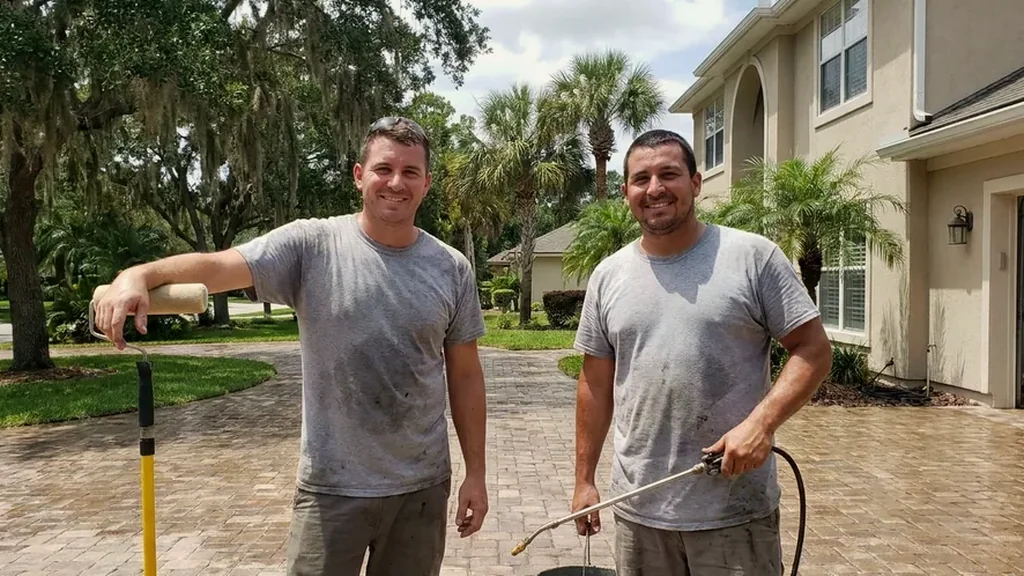
How does a paver sealing job work in Highlands?
Look at the layout, the low spots and the old coat
First the contractor walks the whole driveway, looking for dips, loose edges and stains. One Jacksonville company says sealing over a sunken spot only preserves it, so those sections get reset first. If an earlier coat is on the surface, its type matters because water-based sealer cannot go over solvent-based sealer. Peeling or cloudy patches are a clue that something was applied before. Tell the contractor what you know about the history, including any repairs. That saves time on the first visit and keeps the quote close to the real job.
Treat stains, then wash the whole surface
Oil, rust and tire marks get treated first. One Jacksonville company says most of them lighten a lot, though deep stains may not disappear completely. After that the entire surface is washed to strip off dirt, mildew and loose sand. Anything left on top would end up under the sealer, which is why the wash is never skipped. Stubborn marks may need a second pass.
Fill the joints with fresh sand
Washing removes joint sand, so the contractor refills the joints before sealing, and that step takes longer if the joints sit well below the surface. A Jacksonville company says silica joint sand is what it uses. Full joints hold pavers steady under the weight of a car. The surface is swept before any sealer goes on, so loose grains do not sit on top of the finish.
Let the surface dry fully
Nothing gets sealed wet. Jacksonville's rain peaks from May to September, so the contractor watches the forecast and moves the day if needed. One builder warns that damp pavers can turn wet look sealer cloudy white. A short wait is better than a coat that has to be redone. Shaded strips along a wall may need extra hours to dry.
Seal, then keep cars off
Next the sealer goes on in the finish you chose, and then it cures. Walking is usually fine within hours, and cars need about a day. The contractor gives you a clear time before leaving. Quotes around here commonly run from two to five years between coats. A wet look shows scuffs sooner than matte, so a busy driveway may need its next coat sooner. Ask what to expect for your own pavers.
Complete paver services in Highlands
A Highlands job runs in order: inspect, wash, re-sand, dry and seal. Each stage sets up the next, so nothing dirty gets sealed in. Most driveways can be cleaned, sanded and sealed in one day, with cure time after, according to one Jacksonville company. Repairs can add time, so to ask how long yours would take, call (904) 541-9975.
A driveway, a front walk and a back patio each wear in their own way. Tires and oil collect on the drive, and sprinkler spray hits the walk every morning. Pool decks need a finish that is safe for wet feet. Tell the contractor which of these surfaces you want sealed when you book a free estimate.
Water-based and solvent-based sealers do not mix, so an earlier coat decides the choice. After that comes the look: matte stays natural, and a wet look deepens the color. One Jacksonville builder says semi-gloss is what most of its clients pick, a middle path worth asking about. Call (904) 541-9975 to talk through the finish that suits your house.
On sealing day, weather sets the calendar. Jacksonville's rain peaks from May to September, so a storm can move a Highlands date. Sealer needs a dry surface, and a short wait beats a cloudy coat that has to be redone. For a date that works for your family, book a free estimate.
Questions to ask before you hire
- Can you get the white chalky film off my pavers before the sealer goes on?
- Will the sealer make my pool deck slick when it gets wet, and can you mix in grit?
- Do you need water from my outside spigot, and do I have to be home?
- Do you pull the weeds and grass out of the joints, or only spray them?
- Is the price on your quote fixed, or can it change once you start?
- Where does the dirty rinse water go while you clean?
- Can I see photos of paver jobs you have done near the beach?
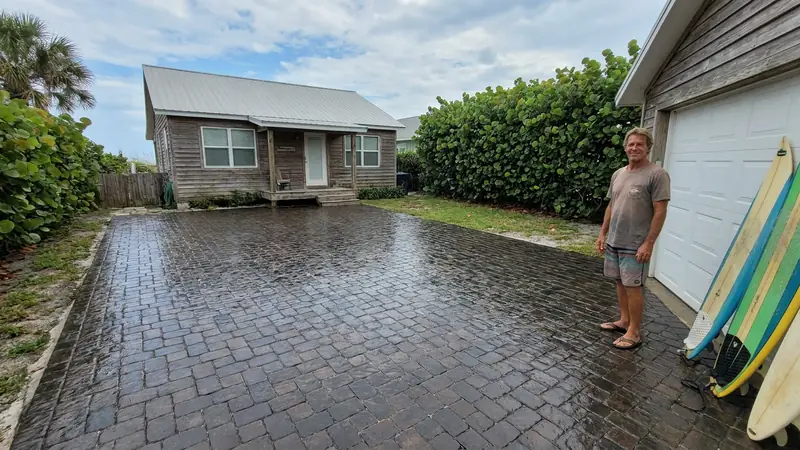
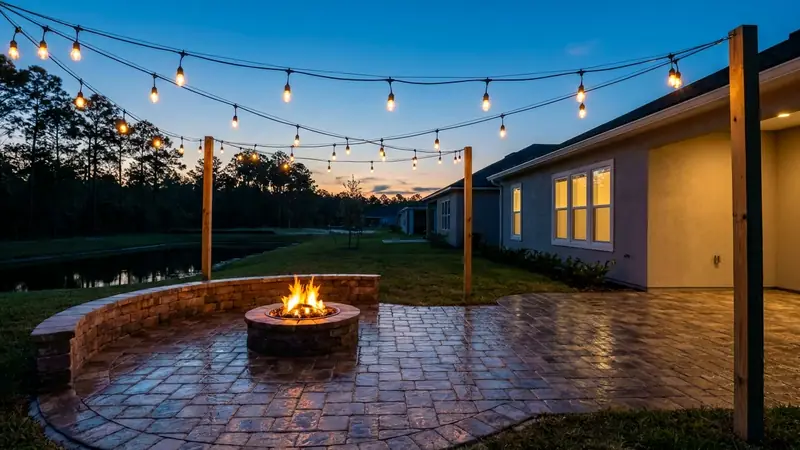
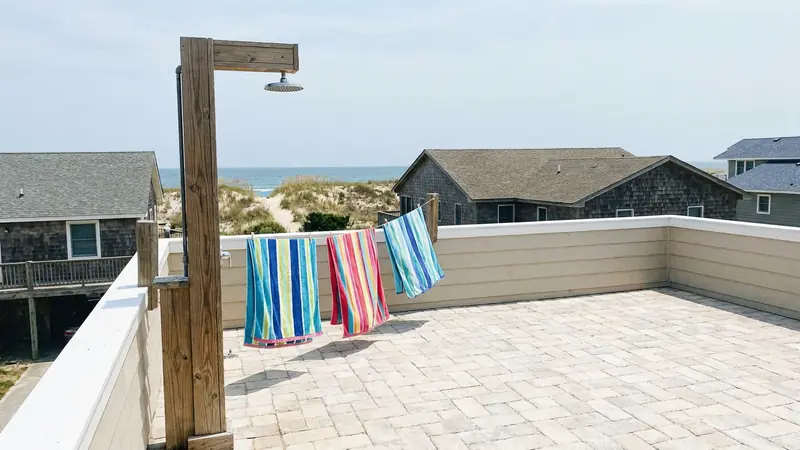
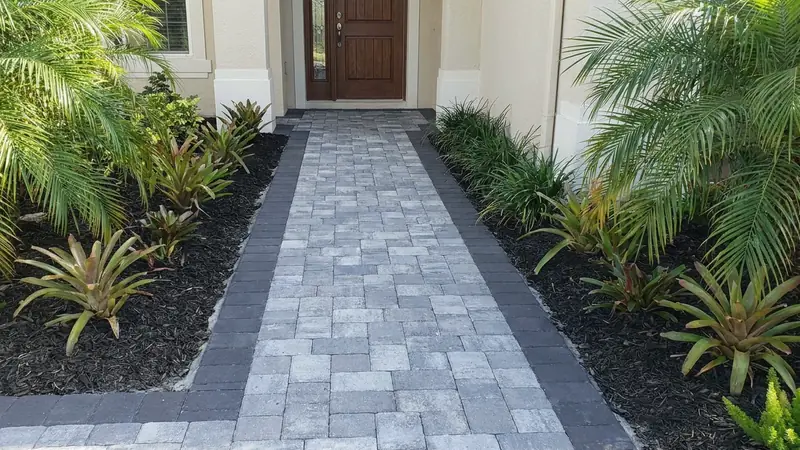
What do sealed pavers look like around Highlands?
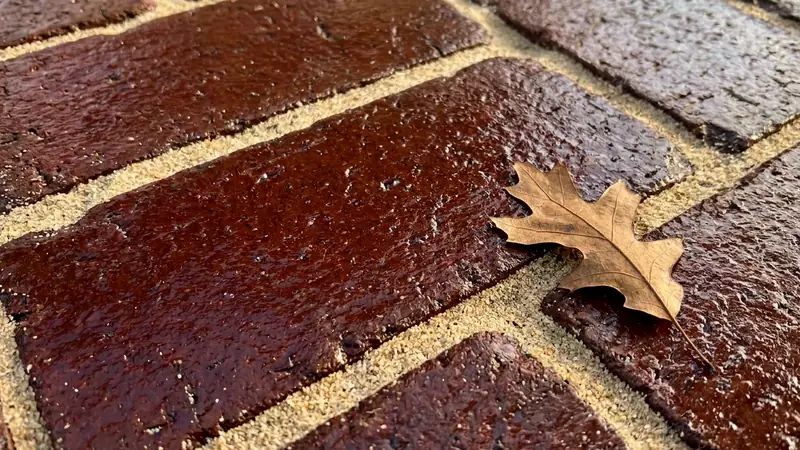
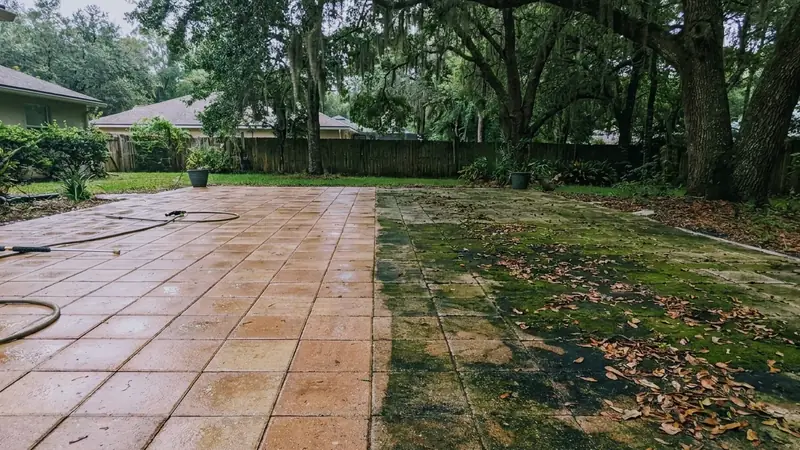
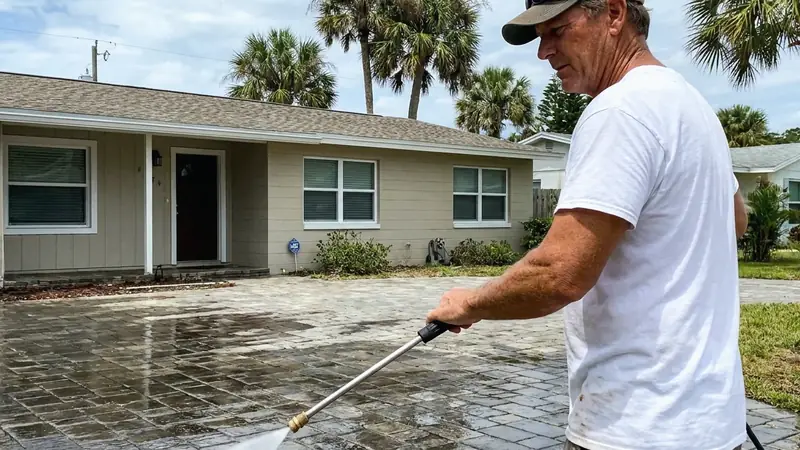
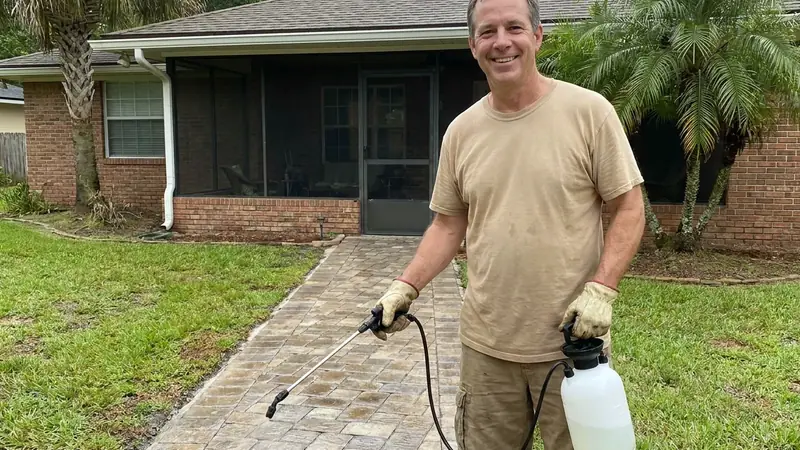
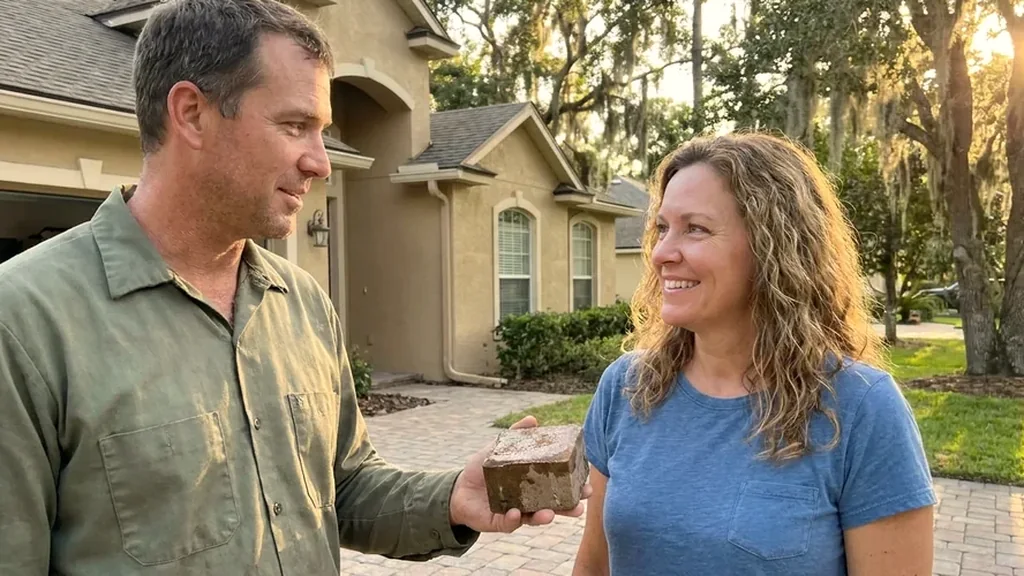
Why local matters in Highlands
A contractor who works Highlands knows that homes here were built over several decades, many between 1953 and 1970, so pavers may have been added later. That tells the contractor to check for settling and old sealer first. Someone new to the area might skip that step and seal over a problem. To reach a contractor who works Duval County's Northside, call (904) 541-9975.
Local work also means knowing how people get around. Dunn Avenue is State Road 104, and a contractor from the area can plan a truck and gear around parking and driveway access. Sealing day goes smoother when your cars have somewhere else to sit for a day. You can book a free estimate and mention how your driveway is laid out.
Weather is the third reason a local contractor helps. Jacksonville's rain is concentrated from May to September, and a local contractor treats the forecast as part of the job. A local contractor would rather move a date than seal damp pavers and risk a cloudy finish. If that sounds sensible, book a free estimate and ask about scheduling.
What landmarks help you place Highlands?
Ray Greene Park is the easiest one. It opened in 1957 on Leonid Road and is named for a county commissioner who served from 1934 to 1962. The city added 30 acres in 1976 and 1977, and a 2004 renovation brought soccer fields and basketball courts. If the park is your landmark and your pavers need attention, book a free estimate.
Highlands Regional Library, at 1826 Dunn Avenue, finished a children's room renovation in March 2022. In the same ZIP code, 32218, the Jacksonville Zoo and Gardens sits where the Trout River meets the St. Johns on about 122 acres. The zoo opened in 1914 and draws more than a million visits a year. For a home near the library, zoo or park, call (904) 541-9975 and give the contractor your cross street.
Frequently Asked Questions
Why is paver sealing so expensive in Highlands?
A sealing job is four steps of hand labor, not one: wash, re-sand, dry and seal, with time to dry in between. The published range is $1.75 to $3.25 per square foot, and sand loss, old sealer and deep stains push a Highlands driveway higher in it. Ask that the quote list square footage, which lets you hold it against the range. A figure on paper makes two bids simple to compare.
How long does paver sealing last in Highlands?
Local quotes run from two to five years between coats. Tires, sprinkler spray and shade lean toward the short end. Pavers with little shade and light use can reach toward the longer end. A Jacksonville builder offers a test: water that beads means the coat is working, and water that soaks in and darkens means it is done.
How much does it cost to re-sand and seal pavers in Highlands?
The published range of $1.75 to $3.25 per square foot covers cleaning, sanding and sealing together. Where a Highlands job lands depends on mildew, lost sand and any old coat. A walkway or pool deck added to the driveway raises the total, not the rate. Ask the contractor to list each surface and its area in the quote.
What are the downsides of sealing pavers in Highlands?
The main downsides are upkeep and timing. Sealer wears and needs a new coat down the road, which is a cost you pay again every few years, and a wet look shows scuffs sooner than matte. It also needs a dry surface, so a rainy week can push your date back. Ask the contractor how the forecast looks when you book.
Is it a good idea to seal pavers in a Highlands driveway?
Usually yes, because sun, rain and daily tires all work on a driveway in Highlands. One Jacksonville builder says the sun fades unsealed concrete pavers noticeably within three to five years. Sealer also holds sand in the joints, but the coat wears and has to be renewed. A wet look adds shine, and matte keeps the look quiet, so you choose.
Can new sealer go over old sealer on my pavers?
Only if the two products match, because water-based sealer cannot cover a solvent-based coat. The contractor identifies the old product first. A receipt or product name from a past owner helps settle the question. If nothing is on hand, the contractor can tell a lot from how the surface looks and feels.
Will sealing fix sunken pavers on my Highlands driveway?
No. Sunken pavers get reset before any sealer is applied. A Jacksonville company says sealer over a low spot just keeps the dip, which is why those spots are reset first. Show the contractor any low spots when the first visit happens. Resetting them first keeps the sealed surface level for the years ahead.
How soon can I park on a sealed driveway?
One Jacksonville company says walking on a sealed driveway is usually fine within a few hours. Keep cars off for roughly a day, a length that shifts with the sealer and the weather. The contractor will give you a time for your driveway. The easiest plan is to park elsewhere for the night.
Ready for a Free Estimate in Highlands?
Call (904) 541-9975 and tell us about your pavers.
Free, no obligation